

In a world where water scarcity is becoming increasingly common and utility costs continue to rise, every homeowner has a role to play in preserving this essential resource. While daily habits like shorter showers can certainly make a difference, your plumbing system is one of the biggest factors in how much water your household uses (or wastes).
The good news? With the right water conservation tips, you can reduce your environmental impact, protect your home and even lower your bills. In this guide, we’ll explore how your plumbing contributes to water savings, the best home plumbing tips you can start today and the long-term upgrades that can significantly reduce your water usage.
Why should I care about water conservation at home?
Water conservation isn’t just an environmental issue — it’s a practical one. Even small changes in water usage can lead to substantial savings on your monthly bills. Reducing water waste helps extend the lifespan of your plumbing fixtures, prevents pipe strain and lowers your energy usage (especially when heating water).
For landlords and investment property owners, adopting water-saving strategies also improves the efficiency and value of your property.
How can plumbing really make a difference in conserving water?
Your plumbing system is responsible for every litre of water that enters and leaves your home. If fixtures are outdated or poorly maintained, water waste can escalate quickly. Common causes of water loss include:
- Hidden leaks behind walls and under sinks
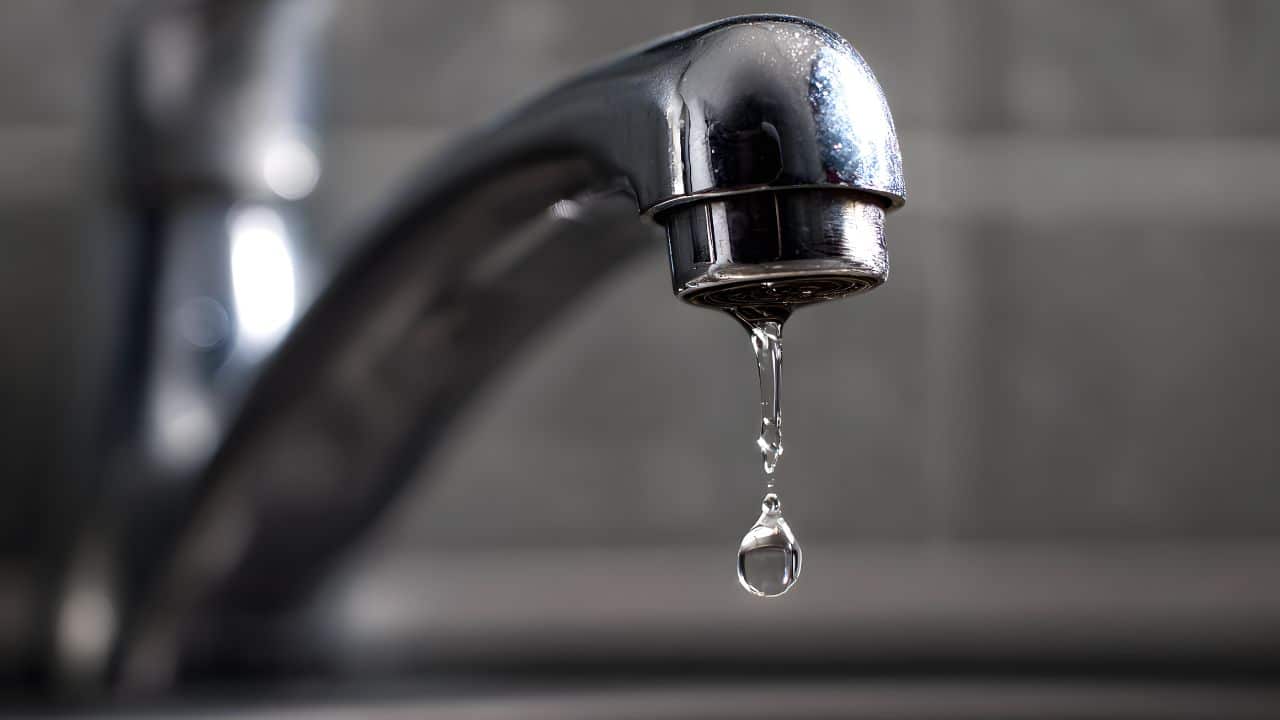
- Dripping taps and running toilets
- Poor water pressure regulation
- Inefficient toilets and showerheads
- Ageing hot water systems
Routine inspections from professional plumbers can identify these issues early. A single running toilet, for example, can waste thousands of litres per week. Similarly, an outdated showerhead may use twice as much water as a modern low-flow design. By maintaining your plumbing system properly, you’re reducing waste at the source and ensuring your home runs more efficiently every day.
What are some easy plumbing tips for homeowners to start saving water today?
You don’t need a full bathroom renovation to start saving water. These water conserving plumbing tips are simple, affordable and highly effective:
- Fix leaks immediately — A dripping tap may seem minor, but it can waste hundreds of litres monthly. Running toilets are even worse. If you suspect a toilet issue, explore quality replacements through toilet plumbing options.
- Install water-saving fixtures — Tap aerators, low-flow showerheads and efficient faucets can drastically reduce water usage without affecting water pressure. They’re affordable and easy to install using everyday tools.
- Run appliances efficiently — Only use dishwashers and washing machines when they’re full, and choose eco-modes when available.
- Shorten shower times — Reducing your shower by even two minutes can save litres per day.
- Inspect your fixtures regularly — Look for moisture under sinks, uneven water pressure or strange sounds. These small signs often indicate hidden leaks.
Do water conservation tips actually help with lowering bills?
Absolutely. Water conservation directly impacts your monthly expenses. Even minor changes add up quickly, lowering your water bill and reducing energy costs associated with heating water. Over a year, many homeowners save over a hundred dollars simply by following basic conservation habits.
What long-term plumbing upgrades should homeowners consider for water conservation?
If you’re ready to invest in your home, these upgrades deliver major long-term savings:
- High-efficiency toilets — Dual-flush or modern low-flow toilets use significantly less water per flush.
- Low-flow shower systems — Modern showerheads provide strong water pressure while using a fraction of the water of older models.
- Efficient hot water systems — Upgrading to a newer, energy-efficient hot water unit reduces both water and electricity usage.
- Smart irrigation systems — Perfect for gardeners, smart controllers regulate water use and prevent overwatering.
- Greywater systems — Capture water from showers or laundries for outdoor reuse.
When should I call a professional plumber?
While many conservation habits are DIY-friendly, some situations require expert help. Contact a plumber if you notice:
- Recurring leaks
- Sudden drops in water pressure
- Constantly running toilets
- Rising water bills with no clear cause
- Strange noises from pipes
- Hot water issues
- Signs of water damage
Plumbing Bros has a team of trusted plumbing experts available across Australia to assist with inspections, leak detection, fixture upgrades and more. Our specialists also support landlords and investment property owners through dedicated property management plumbing services.
Every drop counts
The best water conservation tips are never complicated. With a combination of smart habits, quick fixes and long-term plumbing upgrades, homeowners can significantly reduce water usage, protect their property and enjoy lower utility costs.
And remember: your plumbing system plays a major role in your water footprint. By maintaining it well and investing in efficient fixtures, you’re helping your home and the environment thrive. If you suspect a toilet issue or need an upgrade, explore our range of toilet plumbing options for more efficient solutions.
Ready to save water? Contact Plumbing Bros today
Whether you want to inspect your home for leaks, upgrade to efficient fixtures or get expert recommendations, our team is here to help. Explore our local plumbing services or browse high-quality plumbing supplies to get started on improving your property’s water efficiency.
For more helpful advice, explore our FAQs.
Want to grow your career or build a business with a trusted national brand?
Learn more about our franchising opportunities.